-

EHP in Hatcheries: How the Cycle Starts and Why LRTs Become High-Risk Zones
•
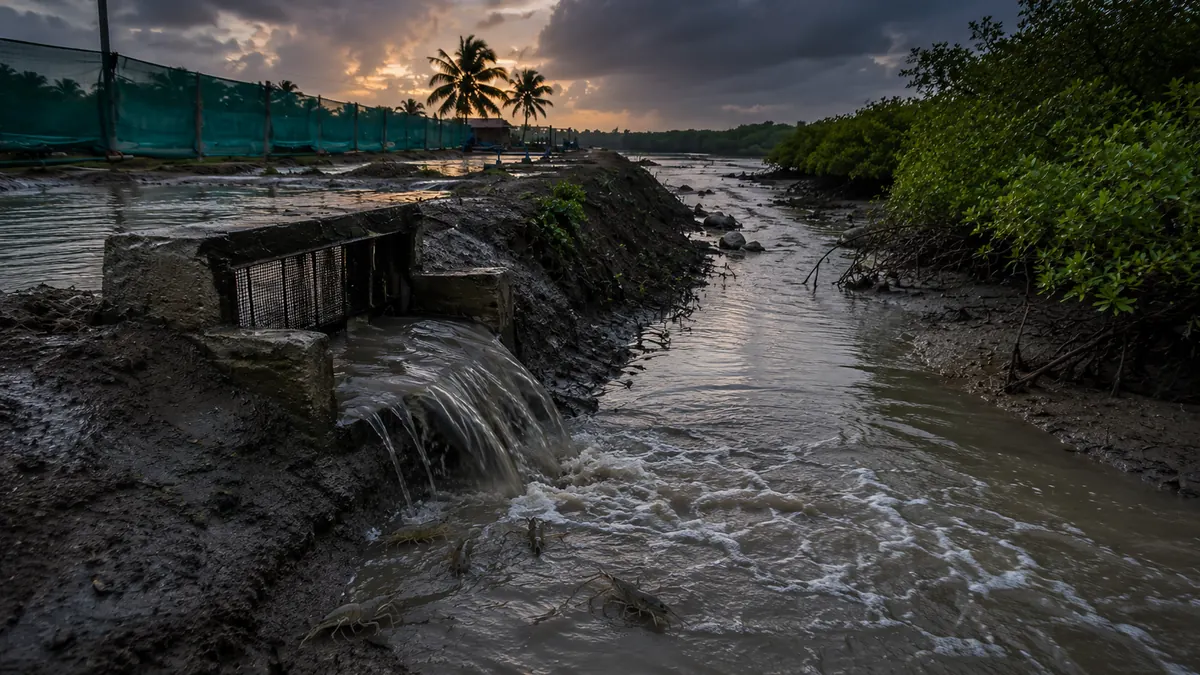
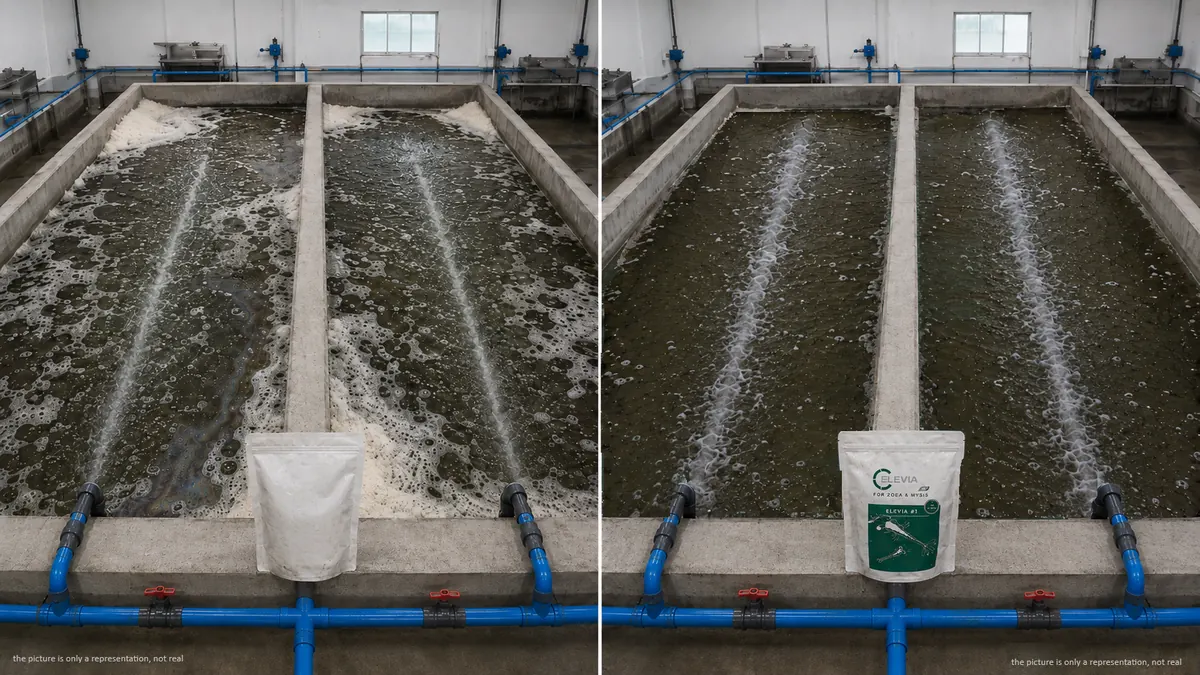
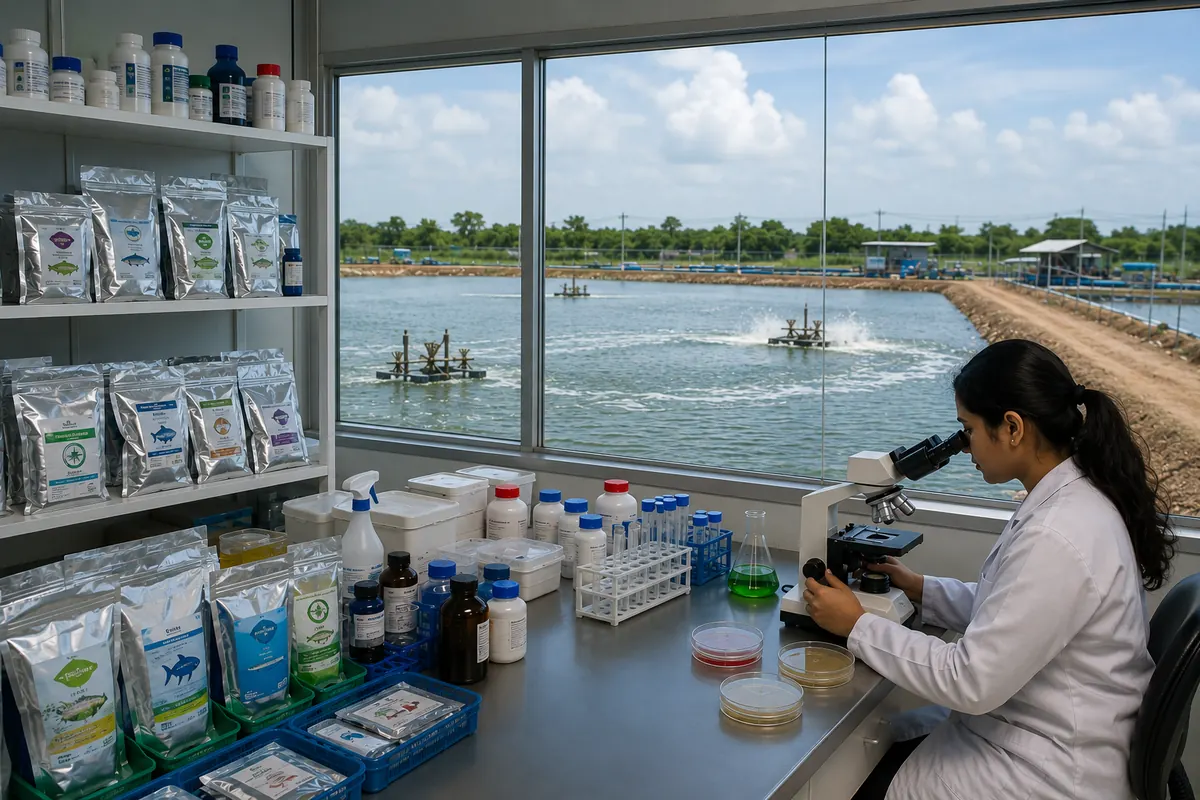
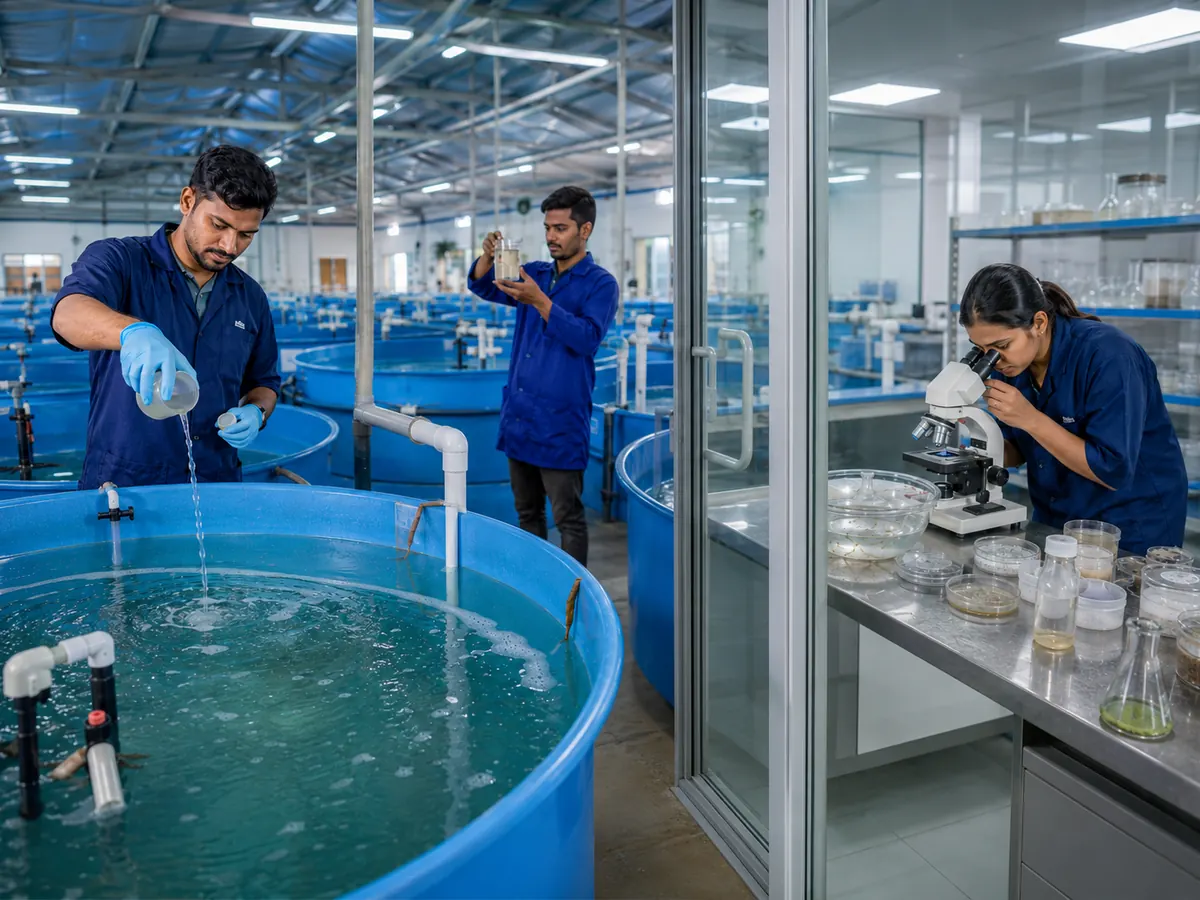
Enterocytozoon hepatopenaei (EHP) is a silent but serious threat in shrimp hatcheries. While nauplii are safe, infection begins once larvae reach the Zoea stage and start feeding. From there, spores multiply inside the hepatopancreas, are shed in feces, and recycled through the larval rearing tank (LRT). Without strict biosecurity, the LRT quickly becomes an…
-

Shrimping Through the Storm: Why India’s Aquaculture Industry Expects a Better 2026
•
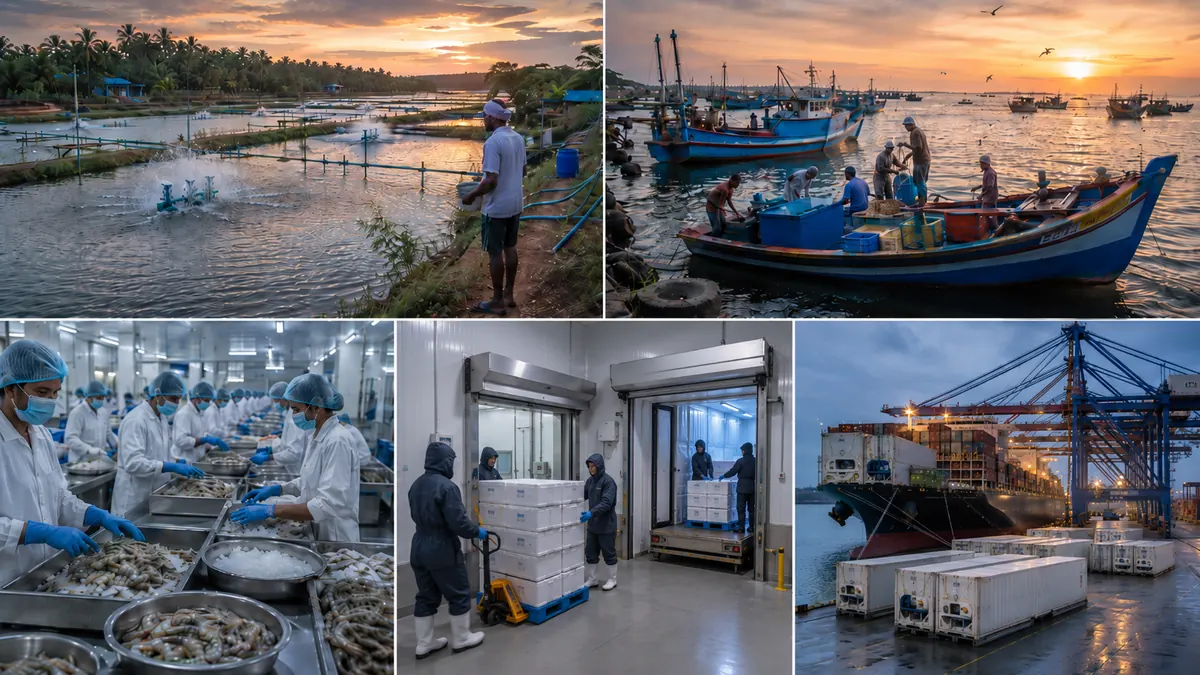
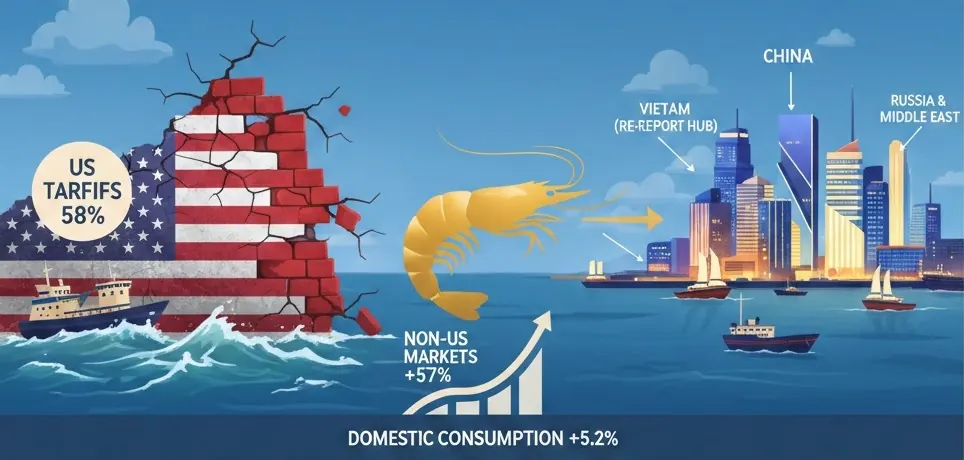
Despite steep US tariffs and export headwinds, India’s shrimp industry is gearing up for a stronger 2026. Hatcheries report rising PL demand, exporters are diversifying into Asian and European markets, and new trade deals offer fresh hope. With innovation and resilience at the helm, the sector isn’t sinking—it’s adapting.
-

Navigating the Tides: How Indian Shrimp Farmers Can Cut Costs Amid U.S. Tariffs
•
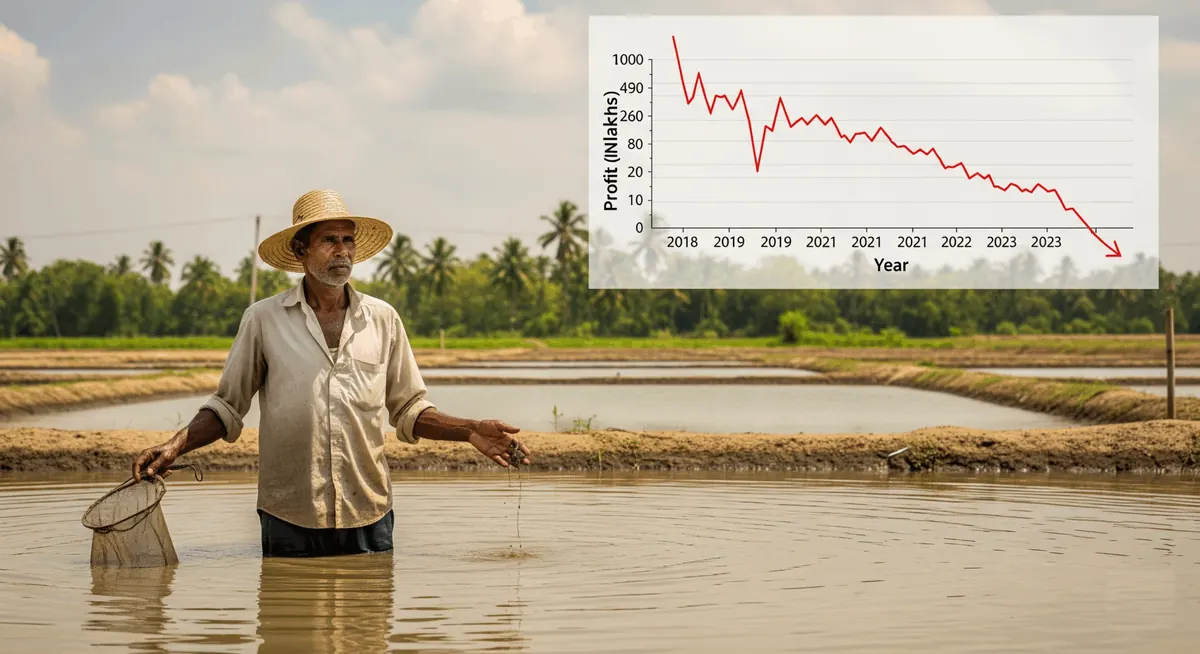
India’s dominance in the global shrimp market, particularly for the U.S., is a success story. However, a potential 50% tariff under a new U.S. administration could be a major challenge for the industry. This blog post explores practical strategies for Indian vannamei shrimp farmers to not only survive but thrive by cutting production costs…
-

India’s First Aqua Tech Park: A Blue Revolution Begins in Assam
•
India’s Aqua Tech Park in Assam isn’t just making waves—it’s rewriting the aquaculture playbook. From biofloc tanks and aquaponics labs to grassroots training hubs, this high-tech haven is empowering fish farmers and sparking a blue revolution in the Northeast.
-

The uncertainty surrounding US tariffs has created significant challenges for Vannamei shrimp farming, particularly in India.
•
Impact on Vannamei FarmingPrice Fluctuations: Shrimp prices have dropped by 10-15% due to fears of additional US levies. Tariff Increase: The US has imposed a 26% tariff, with potential additional duties that could raise costs for Indian exporters by 7% more. Market Disruptions: Long-term contracts with US buyers are under strain, potentially leading to…
-

White gut syndrome and Enterocytozoon hepatopenaei (EHP) are significant health concerns in Litopenaeus vannamei shrimp farming.
•
White Gut Syndrome (WGS) affects shrimp, causing white fecal strings, slow growth, and reduced feed intake, often due to Vibrio bacteria and Gregarines protozoa. Additionally, Enterocytozoon hepatopenaei (EHP) disrupts the hepatopancreas, leading to growth retardation and increased vulnerability to infections, making biosecurity and pond management essential for prevention.