Learning
Knowledge that helps us make better choices.
Ideas, observations, and experiences that support better aquaculture decisions.
 Vannamei Farming
The Truth About Vitamins, Minerals & Real Farm Performance
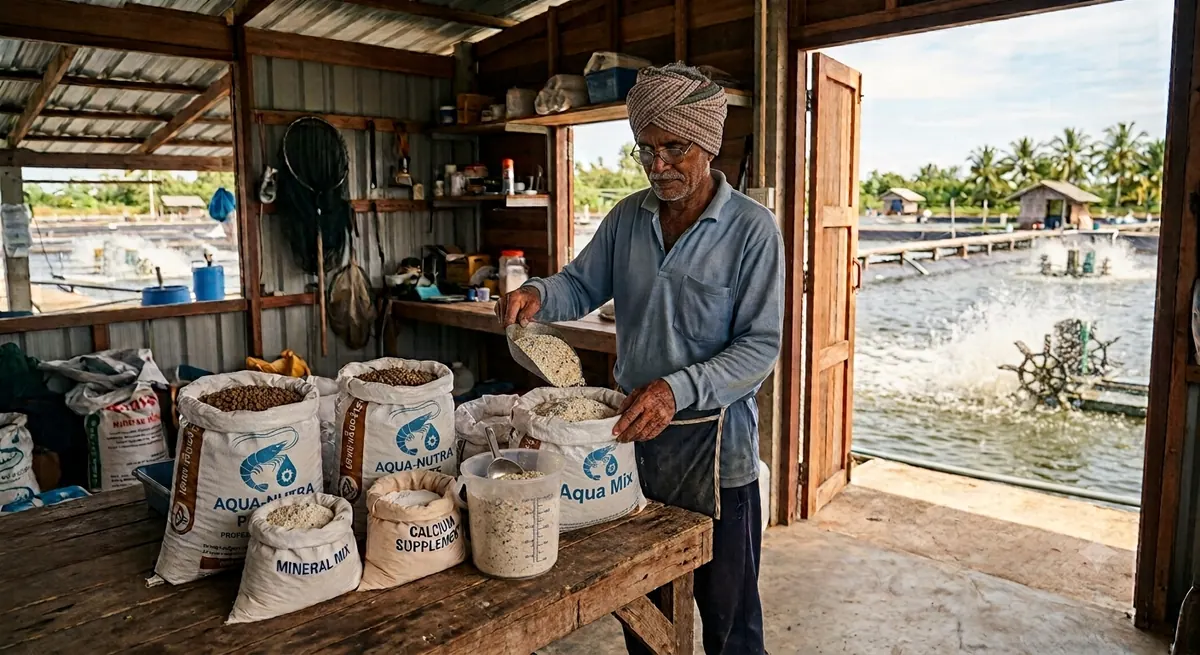
Vitamins and minerals are non-negotiable for aquaculture; for shell formation, immunity, and growth. However, cheap or unprotected supplements melt into the water in minutes. To avoid throwing money into the pond, use water stable, encapsulated nutrients that stay inside the pellet until eaten.
Read more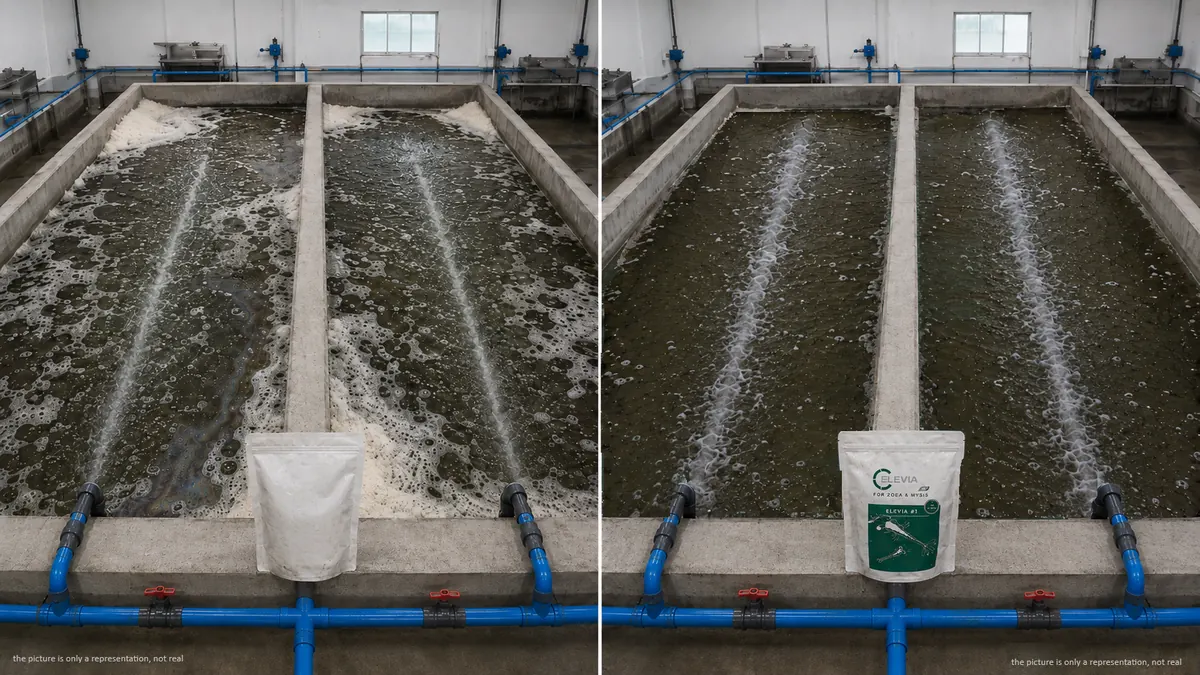 Vannamei Hatcheries
Elevia #1: Advanced Larval Nutrition for Mysis to Early Post-Larvae
Replacing complex feeding cocktails of flakes and powders, Elevia #1 serves as a single, fully balanced diet. Its high digestibility and encapsulated DHA allow hatcheries to safely reduce Artemia dependence while simplifying daily labor and boosting PL survival rates.
Read more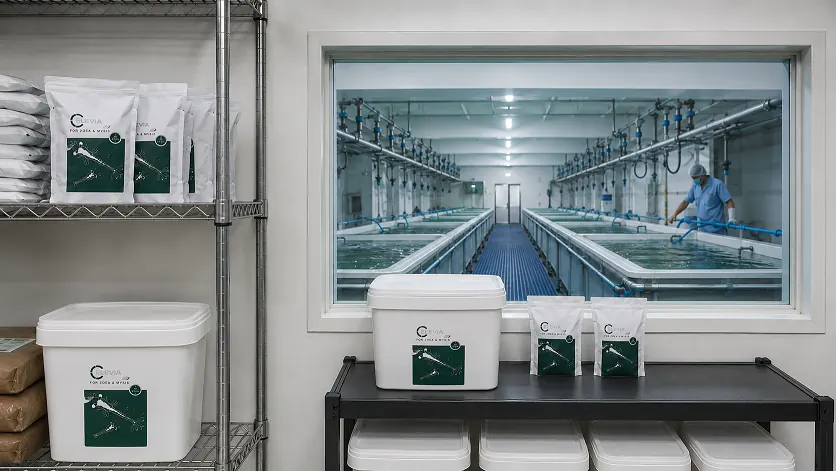 Vannamei Hatcheries
Elevia #0: Better Starts for Vannamei Larvae
Elevia #0 fuels the critical Zoea-to-Mysis transition using microalgae-derived DHA protected by cellular encapsulation. This ensures vital omega-3 fatty acids are delivered intact to the larva while completely eliminating the need for fish oil.
Read more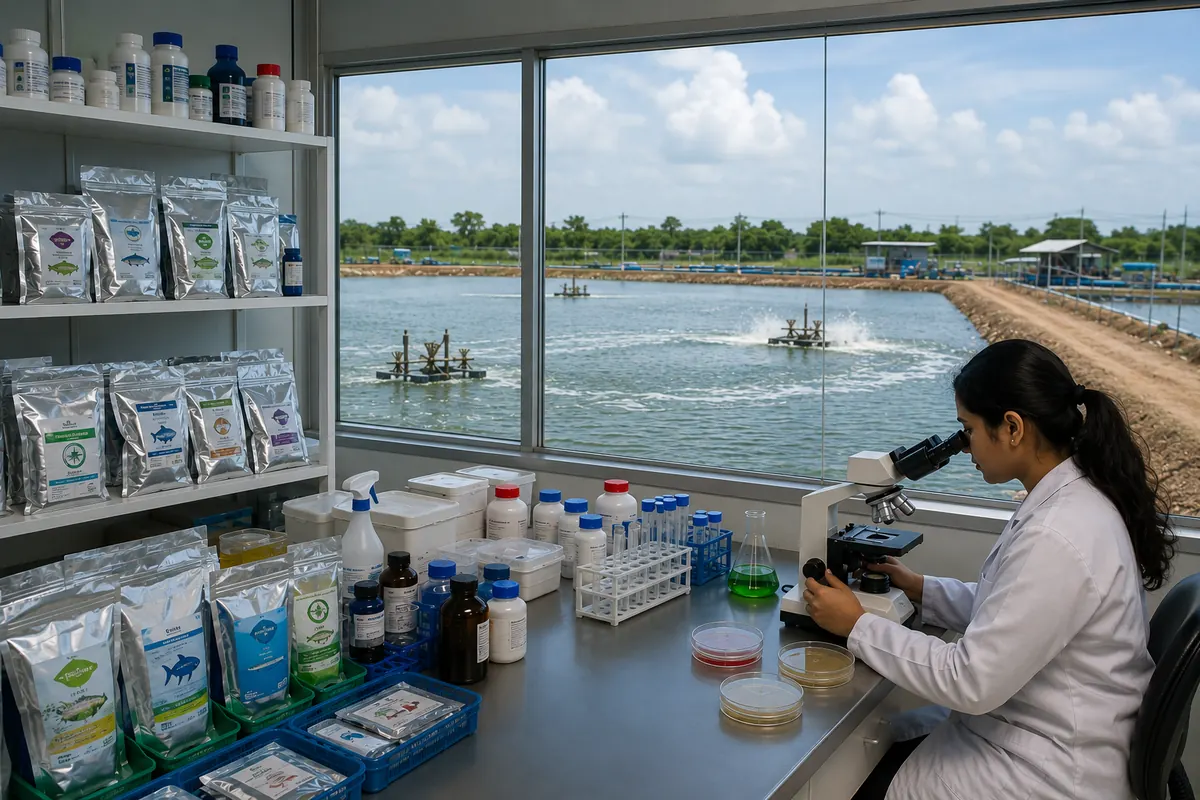 Vannamei Farming
Microbial Tools in Aquaculture: Beyond the Word “Probiotic”
Microbial tools are not shortcuts. They are part of smarter pond and hatchery management.
Read more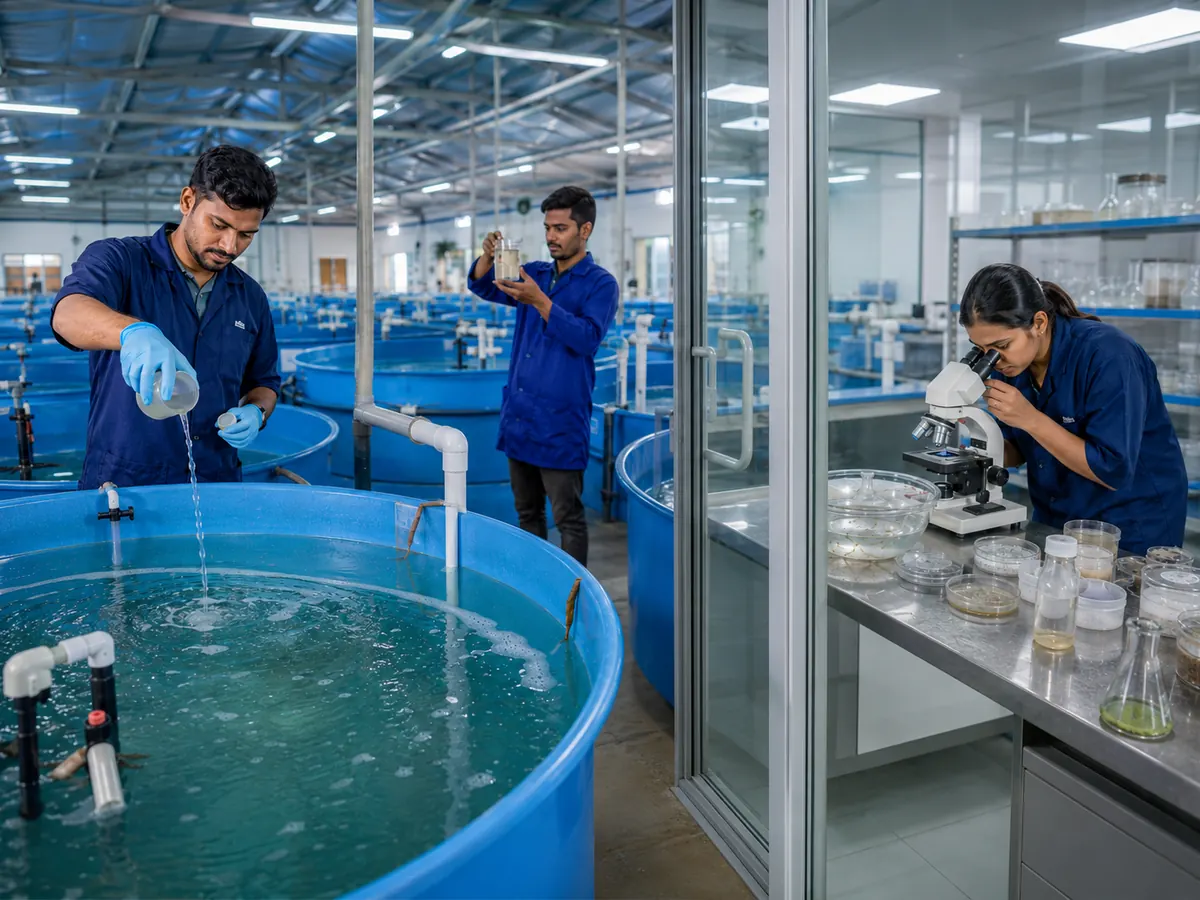 Vannamei Hatcheries
Probiotics, Phages, Prebiotics & Postbiotics in Hatcheries
Modern hatcheries are replacing risky antibiotics with advanced biological weapons, deploying friendly bacteria and bacteriophages to secure the tank environment.
Read more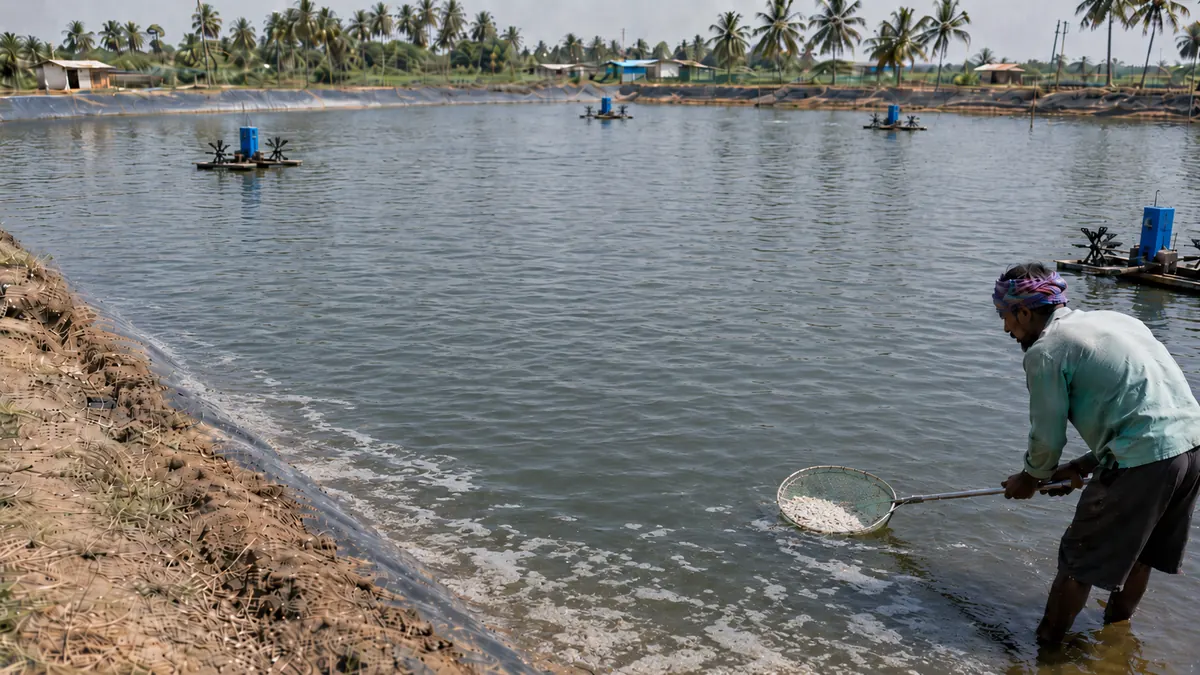 Vannamei Farming
Sludge Removal from Live Vannamei Ponds
Removing sludge from a live pond is a delicate operation; the goal isn't to aggressively scrub the floor, but to collect waste into a single zone and remove it gently.
Read more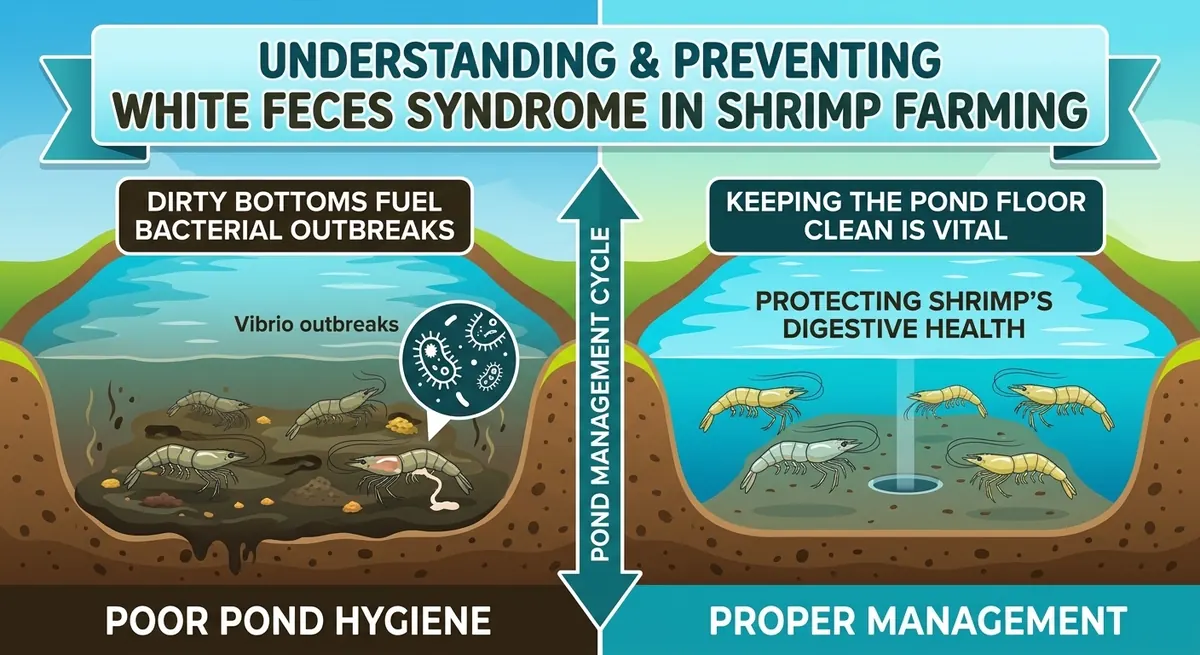 Vannamei Farming
White Feces: Bacteria and Environment
Figuring out why white feces spread reveals that dirty bottoms fuel bacterial outbreaks. Keeping the pond floor clean is vital to protecting the shrimp's digestive health.
Read more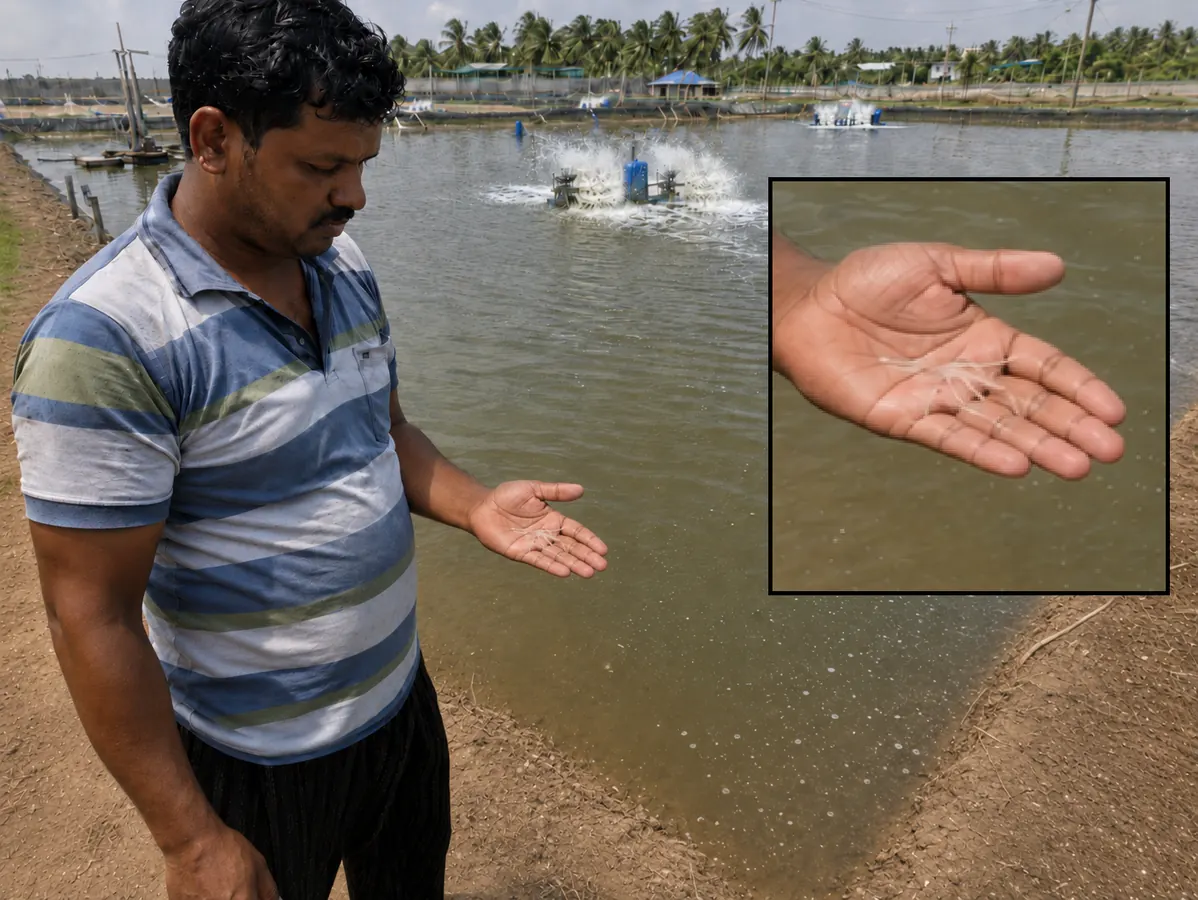 Vannamei Farming
White Feces: The EHP Connection
White feces string in vannamei ponds often indicate EHP related hepatopancreas damage. These strings spread infection as other shrimps graze on them, making pond‑bottom cleanliness essential.
Read more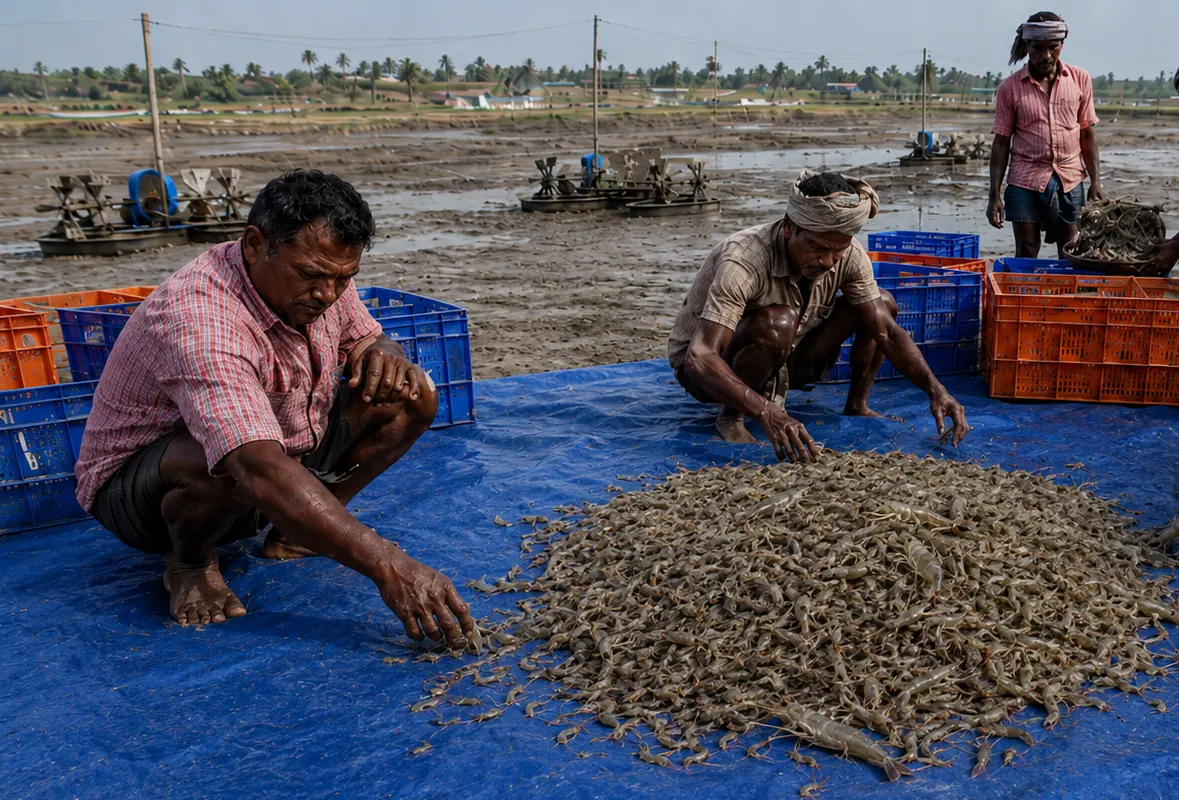 Vannamei Farming
How Minor EHP Seed Infection Sparks a Full Pond Outbreak
Looking closely at EHP shows how a tiny trace at stocking can trigger a full pond outbreak. By seeing how shrimp naturally eat infected feces on the bottom, we can understand why flushing out waste is the real key to saving our margins.
Read more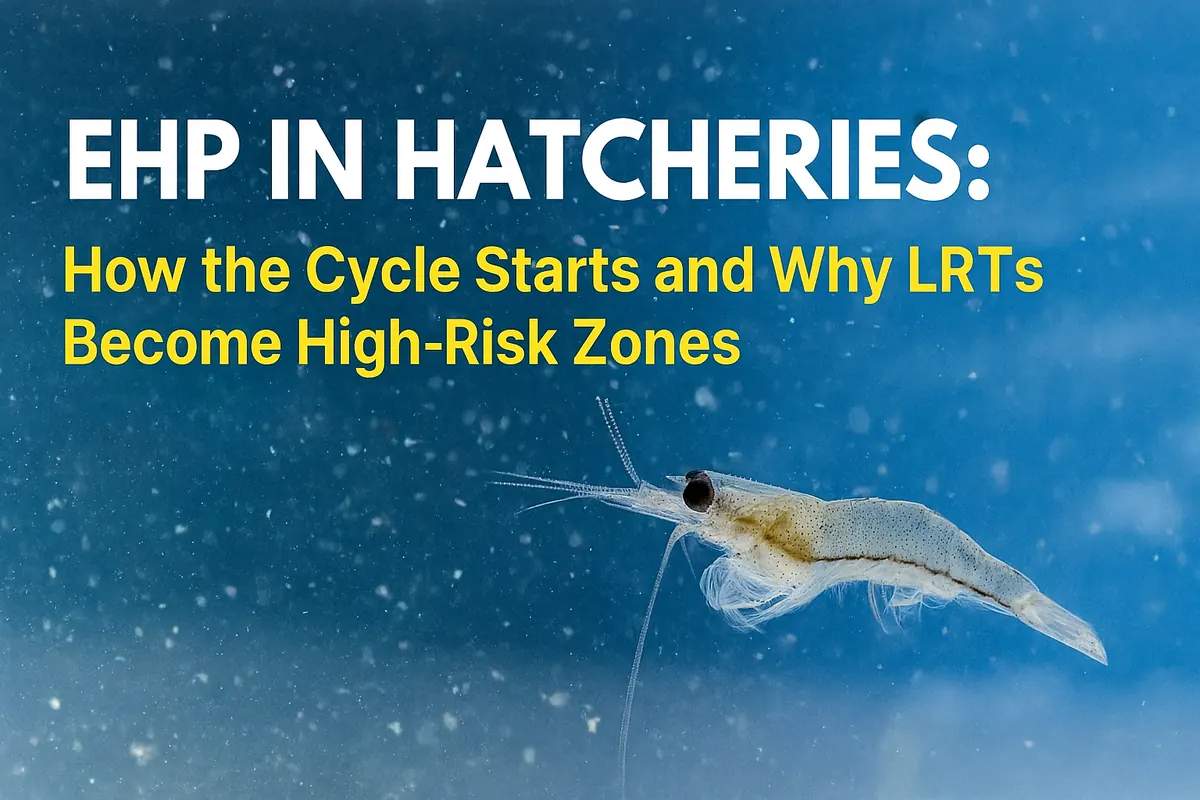 Vannamei Hatcheries
EHP in Hatcheries: Why LRTs Become High-Risk Zones
EHP infects larvae from the Zoea stage onwards via contaminated feed, water, or broodstock. It multiplies primarily in the hepatopancreas, turning larval tanks into spore-recycling reservoirs that ruin crop uniformity.
Read more